Showing posts with label healthy living. Show all posts

Wednesday, August 6, 2014

How to Keep Pounds Off for the Long Run


6 Long-Term Weight Loss Success Secrets Based on Research

Maintain, don't gain
If you've ever dropped pounds and then tried to maintain your lower weight, you've probably blamed yourself when the scale started creeping back up. Well, emerging research shows that faulty willpower is not the main culprit. "Multiple systems in your body conspire against you in a push to regain lost weight," explains Michael Rosenbaum, MD, an assistant professor of clinical medicine at Columbia University Medical Center and a top obesity researcher. After you've slimmed down, your brain, muscles and hormones work together to slow down your metabolism, so you naturally burn hundreds of fewer calories each day.

In fact, Rosenbaum's research reveals that people who've lost weight require about 400 fewer calories per day to keep the scale steady compared with people of the same weight who never went through a slim down.

Lose the weight for good
Fortunately, there are proven ways to counteract these pound-hoarding tendencies. "It's not a losing battle," stresses Holly Wyatt, MD, associate director of the Anschutz Health and Wellness Center at the University of Colorado, Denver. "You can keep the weight off for the long run." By analyzing data from the National Weight Control Registry (NWCR)—a database of more than 10,000 people who have lost at least 30 pounds and kept them off for a minimum of one year—experts have discovered strategies that work, many of them quite different from the ones that help take off pounds in the first place. "Losing weight and maintaining it are really two different animals," Dr. Wyatt notes. Mastering the art of maintenance is the key to making sure your goal weight turns into your new normal.


Success secret #1: You have to move every single day
"The most successful dieters simply move more," Dr. Wyatt says. "When you're active, you're fighting your body's tendency to keep the weight from returning." Ninety percent of the NWCR's success cases exercise about 60 minutes a day on average. Being very active goes beyond just burning calories. Exercise also triggers helpful biological systems: Hormones like epinephrine and adiponectin that cut down on your fat stores kick into high gear, actively incinerating flab up to 24 hours after your workout. Plus, "When you're more active, you feel better about yourself and you make better food choices and avoid couch-potato behavior," Dr. Wyatt says. And as recent research from Stanford University School of Medicine shows, good habits truly reinforce each other. People who focused on changing both diet and exercise habits were significantly more likely to get in their regular workouts and to follow healthy eating plans than those who focused on either diet or exercise separately.

How to get moving more
If you don't have time for a full hour of exercise every day, it's fine to break it up into spurts of activity. Doing 10 focused minutes here and there throughout the day is effectively equivalent to one big workout, according to the American College of Sports Medicine. Try using a tech tool, like the Nike+ Fuel Band ($149; nike.com) or Jawbone UP ($130; jawbone.com), to keep tabs on how many calories you're burning throughout the day, then challenge yourself to maintain or go beyond that amount by climbing a few additional flights of stairs or doing some extra laps around the office. You can get the same type of data through your smartphone with such free apps as Endomondo Sports Tracker.


Success secret #2: Maintaining muscle matters
There's an unfortunate side effect of losing weight: You tend to lose lean muscle along with the flab. (This can also happen if you always skip the weight training in favor of cardio.) Since muscle burns more than twice as many calories as fat (7 to 10 calories for a pound of muscle compared with 2 or 3 calories for a pound of fat), the more muscle you keep, the higher your metabolism will be. Recent research finds that doing resistance training—using weights or just your own body weight—a few times per week can increase the number of calories you burn even at rest by 100 a day or more. This is important if you are going to maintain your new lean profile: In a study from the Centers for Disease Control and Prevention, twice as many people who did regular strength training lost weight and kept it off compared with those who didn't.

Start strength training
You don't have to make like a bodybuilder to get stronger. Sneak simple body-weight moves, like squats, push-ups, lunges and dips, and even strength-building yoga poses (think Warrior 2 or Chair pose) into your routine a few days a week, whether it's a set of each in the morning before your shower or a pre-dinner circuit. You'll hit all your major muscles in just a short workout. For instructions on body-weight moves, go to health.com/strengthplan.


Success secret #3: Mediterranean means more burn
It's well-established that following a Mediterranean diet—which is high in fresh fruits and vegetables, whole grains, beans, legumes, nuts and healthy fats like those in fish and olive oil—is good for your heart, but it turns out it may also be vital to fighting the metabolism slowdown that follows weight loss. A study from Harvard University shows that eating this type of food, which is low on the glycemic index (a measure of how quickly certain foods are digested and how much they make your blood sugar spike), can help keep energy levels elevated, so you naturally burn about 20 percent more calories over the course of a day than you would following a low-fat diet.

Make Mediterranean work for you
"Eating Mediterranean eliminates those wild swings in blood sugar that can ultimately undermine your metabolism," says study author David Ludwig, MD, director of the New Balance Foundation Obesity Prevention Center at Boston Children's Hospital. The best part: It's not a diet, but rather a balanced, realistic way of eating, which makes it, as Dr. Ludwig says, "easy to follow for the rest of your life."


Success secret #4: Your scale is a weight-loss weapon
Regular weigh-ins may have been a mainstay when you were in reduction mode, but this habit is just as critical after you've hit your goal. National Weight Control Registry research found that dieters who stopped using the scale as a check-in tool gained back two times as much weight as those who kept monitoring their size. "You can't stay in a healthy range if you don't know what your numbers are," Dr. Wyatt points out.

Find your "red zone"
Numbers don't lie, so establish a "red zone"—a weight you find unacceptable. If you reach that number, or slip above it, it's time to go back to some of the stricter diet controls (such as cutting down on calories and measuring out proper portions) that helped you downsize in the first place. "Most people naturally fluctuate by a few pounds here or there, but if you notice your numbers creeping above your red line, you have to snap back into active weight-loss mode," says Dr. Wyatt. When you get back to your "green zone," you can relax...a bit.


Success secret #5: That rumor about breakfast being crucial is true
If you're tempted to start your day with a cup of coffee and nothing else, consider thisfact: 78 percent of the thin-for-lifers from the NWCR group rarely if ever skipbreakfast. And they make it a hearty one. "Most people simply don't eat enough atbreakfast time," says Angela Lemond, RDN, a nutritionist based in Plano, Texas, and aspokesperson for the Academy of Nutrition and Dietetics. "It's a meal, not a snack, soeat up."

Build a better breakfast
For a woman who is moderately active (exercises 30 to 60 minutes three times a week), your breakfast should be between 300 and 500 calories and rich in protein. Research from the University of Missouri--Columbia found that folks who ate about 35 grams of protein at breakfast felt fuller longer and had fewer cravings, making them much less likely to snack on high-fat or high-sugar foods later in the day. Try oatmeal with fat-free milk and some eggs on the side, or a bowl of Greek yogurt with nuts and fresh fruit. Then follow up with a mid-morning snack and a relatively early lunch.

"About 50 to 60 percent of your calories should be consumed by 2 p.m.," says Lemond. "When you front-load your day, you get a better energy balance, which helps you ultimately make better choices." Jumpstart your day with one of these High Protein Breakfast Recipes.


Success secret #6: Trying to eat perfectly is a recipe for failure
The occasional indulgence does more than just keep you sane—it keeps you slender for the long haul. "Being too rigid about eating healthily means eventually you're much more likely to go off track," points out J. Graham Thomas, PhD, assistant professor at the Weight Control and Diabetes Research Center of the Miriam Hospital inProvidence, R.I., and a member of the research team for the NWCR. "Having a more flexible approach, which allows for the occasional indulgence, ultimately helps you control your weight better over the long term."

Follow the 80/20 rule
Since life would be pretty boring if you could never have that side of fries, keep the bulk of your diet well-balanced but allow yourself occasional goodies. "I call it the 80/20 rule," says Jennifer McDaniel, RDN, a spokesperson for the Academy ofNutrition and Dietetics. "Eat healthy the vast majority of the time, and you can still have room for those treats." You get the brownie and the buff body. Who can argue with that?

Purchase products from our online store HERE 
Like our Facebook page HERE
Follow us on Twitter HERE

Visit our website HERE
View our pins on Pinterest HERE
 
article source: chixrx.com

Tuesday, April 15, 2014

Top 6 Affordable Ways to Reduce Cellulite's Appearance

Expert-Recommended Techniques to Help Improve Cellulite

Why is it that dimples on your cheeks are adorable, but dimples on your thighs aren’t? Yep, we’re talking about cellulite. When fat presses against and bulges through the web-like layer of connective tissue below the skin it creates an uneven surface resulting in dimples, bumps and heavy sighs in dressing rooms everywhere. Cellulite most often lands on the thighs, hips, butt, abdomen and knees. While most women have it, cellulite is far more rare in men (lucky boys).  

Despite the fact that tons of different products claim that they can banish cellulite, researchers maintain that there is no cure for cellulite. While there are no ways to fully erase those obnoxious dimples, there are things experts say you can do that may help reduce the appearance of cellulite—we’ve outlined six of the most effective, inexpensive strategies below.    


Exercise
“Unfortunately, there is no way to remove cellulite, but you can minimize the appearance by toning the muscles under and surrounding the area,” explains certified personal trainer Jennifer Menzer.  

She recommends a blood-pumping routine of cardio plus strength training to tone up troubled areas.  

“Cellulite is just a fat, so toning muscles in the surrounding areas can help its appearance,” adds registered dietitian Daniela Knight. “Losing weight can help, as well.” We want to stress, though, that even the skinniest amongst us can still suffer from cellulite—it can be an equal opportunity fat problem.  

Depending on your body shape, your cellulite may appear more in certain areas.

Diet
While exercise is a critical step in tightening up at losing weight, so too is your diet.   “Make sure to follow a healthy, high fiber, lower calorie diet,” advises Knight. Menzer adds that to do this, you need “a combination of whole healthy foods such as fruit, veggies, lean meats and whole grains—think oats, quinoa and faro.”  

Watch your salt intake too. Too much sodium causes your body to retain excess fluids, which can make your cellulite more noticeable. Make sure you’re drinking enough water each day, which will help flush toxins from your body, reduce water retention, and make you feel less bloated.
And remember, as Knight advises, “Fad diets tend to not be effective.” But you’re smart ladies, we’re sure you already knew that.  

Side note: Healthy eating will not only help get you in your best shape and boost your energy levels, but it can also leave your skin glowing.


Lotions & Creams
Don’t get sucked into the hype from product manufacturers: There isn’t a miracle cream, lotion or gel out just yet, so don’t waste your hard earned money on an expensive product that will more than likely leave you unsatisfied.  

Two product areas that have gained popularity for reducing the appearance—notice we’re saying reduce appearance, not getting rid of completely—are retinol creams and caffeine lotions.  

The Mayo Clinic recommends a twice-daily application of products with 0.3 percent retinol (a form of vitamin A) cream to affected areas to reduce the appearance of cellulite, but only after a strict six-month regimen. Retinol stimulates collagen production, which may make the skin thicker and better able to hide cellulite dimples.

Just how caffeine leaves you thirsty for a glass of water, it can also dehydrate cellulite-affected areas of your skin. By flushing out moisture under the skin, it can slightly tighten the skin, potentially leaving it looking less lumpy and bumpy—but only temporarily, and you may not even notice a difference. If you want to give it a try, though, look for lotions that contain at least five percent caffeine. There are even several drug-store alternatives that hit the mark at the moment.    


Dry Brushing
Massages stimulate blood flow, which releases toxins and excess fluid—this can plump up your skin and reduce the appearance of cellulite. So massage is often recommended as an alternative natural treatment to temporarily reduce the appearance of cellulite.  

But massage can be difficult to do properly yourself, and dropping into a massage parlor each time you want to wear shorts isn’t exactly affordable. So instead try dry brushing, which will give you the same massage effect for less money and with the added benefit smoothing your skin as it sloughs off the top layer of dead, dry cells.  

To dry brush, you simply need a natural bristle (not synthetic) body brush that you keep dry at all times. Before showering, sweep the dry brush over your dry skin starting at your feet and working your way up your legs and rear, working in the direction toward your heart. (The point here is you’re moving the fluid in the direction of circulation, to the heart.)    

Don’t go back and forth over the same area of skin and don’t press too hard as this can damage your skin.  

Once your legs are complete, perform the same technique on your arms: start at your hands and brush up your arms, toward your heart. For your stomach, simply brush in a counterclockwise motion.  

When you’re done just hop in the shower and wash off all those loose dead skin cells.      

De-stress
An often-overlooked fact is that stress may actually increase your risk for cellulite—who knew? This may be due to the fact that stress can cause an increase in certain hormones associated with the development of cellulite.  

If you needed one more reason to stop being a stress-junkie, perhaps this is it.  


Tanning
Being tan won’t reduce dimpling, but it certainly can reduce the appearance of it. Get bronzed with sunless tanner instead of tanning your hide with cancer causing, skin damaging UV rays.  

To disguise cellulite, apply one layer of self-tanner to your problem areas and then follow up a few hours later with your regular full body layer of tanner. The first layer should be a lotion self-tanner, but you can use a spray for the full body if you like. Strategically double layering your color in problem areas helps to conceal lumps and bumps in a contouring-like manner.  

Book your appointment online now at www.montereydayspa.com!
Purchase products from our online store HERE 


Like our Facebook page HERE 
Follow us on Twitter HERE
Visit our website HERE
View our pins on Pinterest HERE


Article source: chixrx.com

Wednesday, March 26, 2014

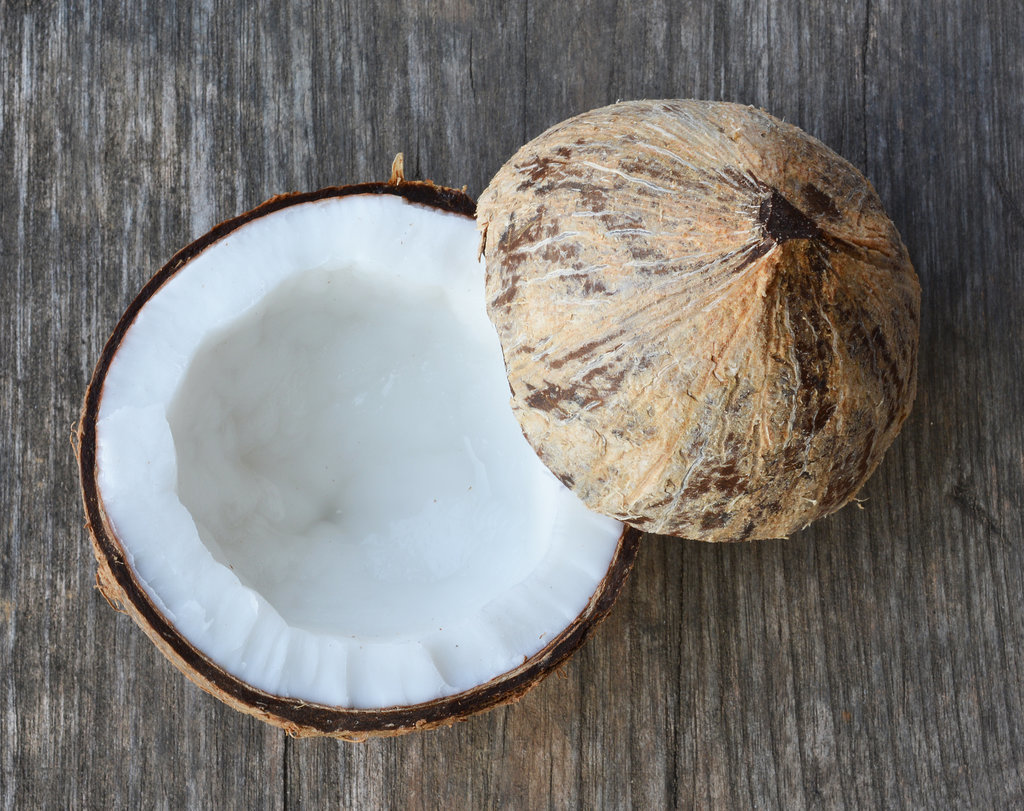
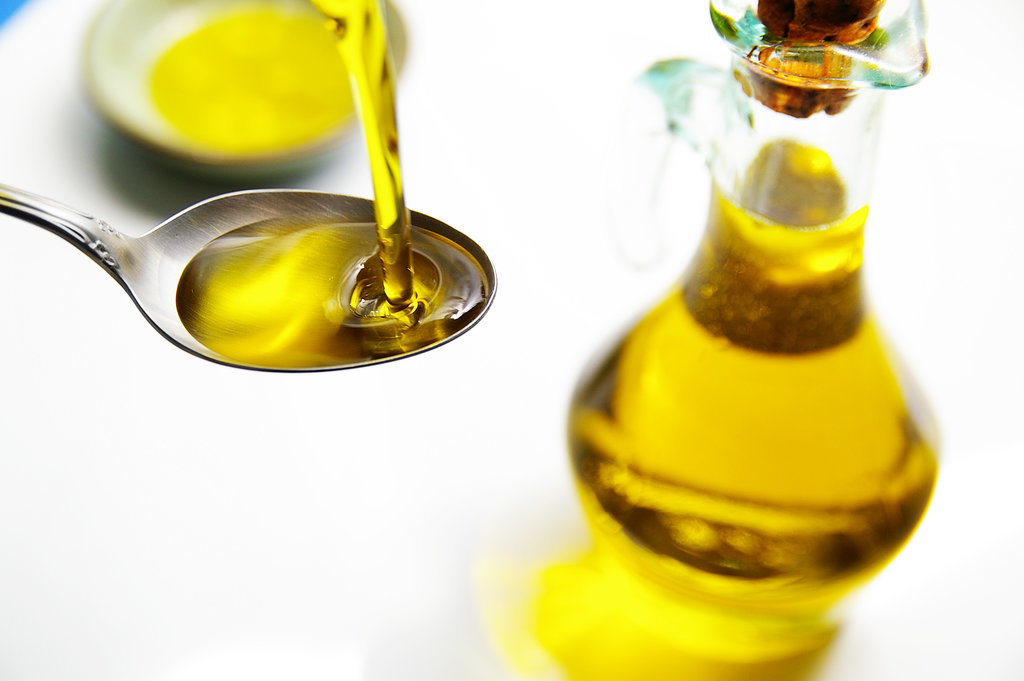
Coconut Oil Uses

21 Unexpected Beauty Uses For Coconut Oil

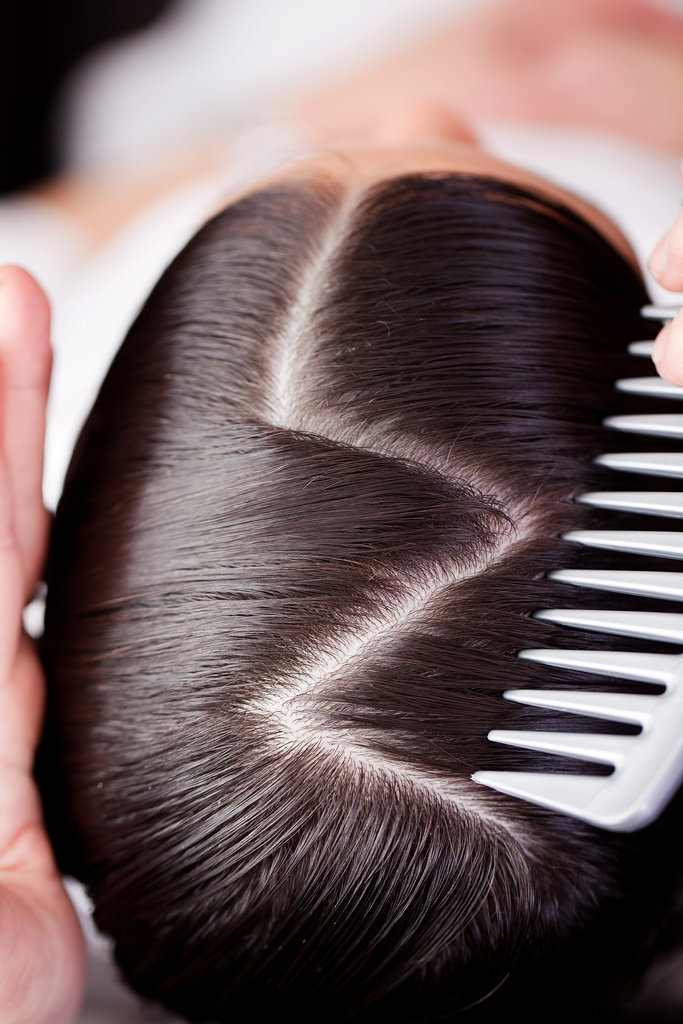
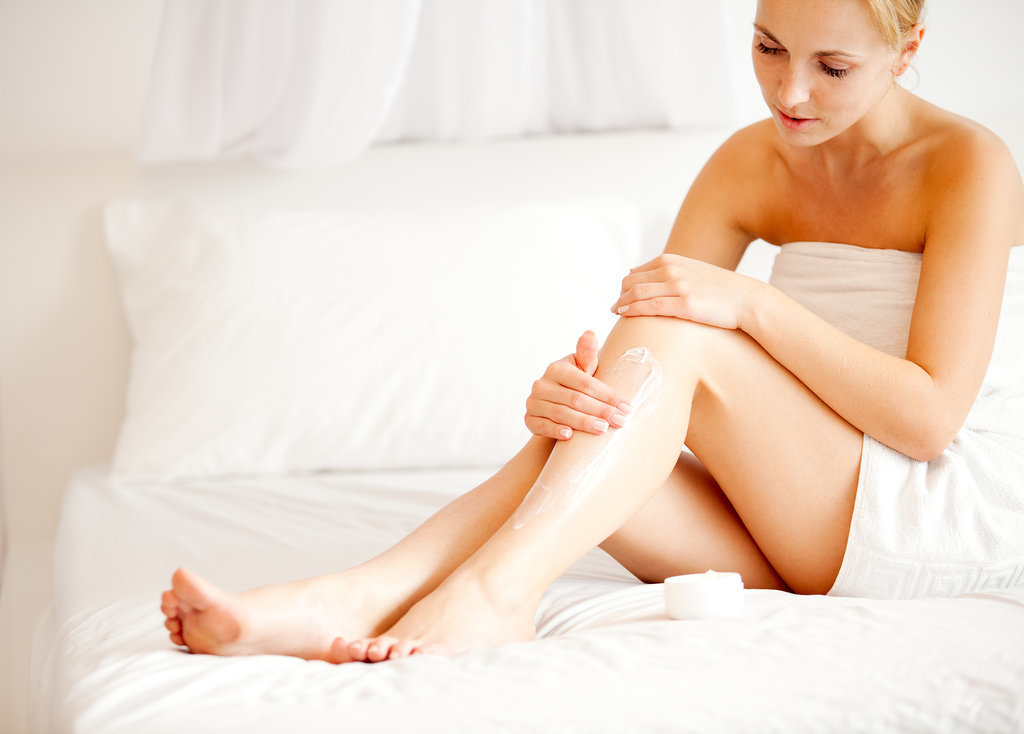
There are very few beauty products that we can honestly say are cure-alls, but coconut oil comes pretty close. You can use it for everything from healing scars to moisturizing dry knees. Recently, all the talk about relying on this oil for fresh breath got us thinking: what can't coconut oil do? The answer: mattify (and it took us a minute to come up with that one). Celebrities like Emma Stone count it among their favorite natural ingredients, and you should, too. We just stuck to the beauty applications here, but there are tons more tasks it can handle, from starting fires to losing a few pounds. So head to your local health food store, pick up a jar, and allow this list to help you get creative with coconuts.
Source: Shutterstock

Monday, March 3, 2014

A Surprising Way to Lower Body Fat

The quality of your sleep, along with your bedtime and wake time, influence your body fat composition.


You already know that it’s important to get a solid night of sleep on a regular basis. For the vast majority of people, the "sweet spot" for the right amount of sleep per night is between 6 and 9 hours.
When we don't sleep enough, two hormones in our body are greatly affected: ghrelin and leptin. Ghrelin is a hormone that gives us the "go" signal, meaning that we are hungry and need to eat. On the other end is leptin, a hormone that signals satiety and tells us to stop eating. When we don't get enough sleep, even after just a few short nights of less slumber, the balance between ghrelin and leptin is tipped. We have more ghrelin and less leptin. As a result, the signal that tells us we're full becomes weak, and the "you're hungry, eat!" signal is strengthened.  

An interesting November 2013 study, conducted by researchers at Brigham Young University (BYU) and published in the American Journal of Health Promotion, took a somewhat different angle at the sleep/weight connection. Instead of just focusing on quantity of sleep, their research looked at the timing and quality of sleep.

Researchers at BYU investigated over 300 college-aged women over the course of a few weeks, assessing them for body fat composition and keeping track of their sleep patterns for one week. Results showed that participants who obtained less than 6.5 or more than 8.5 hours of sleep per night had higher body fat.

What is novel in this study is their look at the timing of sleep and its impact on body fat composition. The researchers found that a consistent bedtime and, more importantly, wake time, were related to lower body fat. Participants who had more than 90 minutes of variation in their sleep/wake times were more likely to have higher body fat composition than those with less than 60 minutes of variation.

We are all born with internal clocks called circadian rhythms. These rhythms are on a roughly 24-hour clock and keep our bodies in check throughout the day. Not only do circadian rhythms impact our sleep schedules, but they also govern many other complex functions in our body—notably, when hormones are released by various organs in our body. Keeping a fixed wake time seven days per week helps to keep the circadian clock in check all day long. Even though staying with the same bedtime is important, having a constant wake time has many more implications in keeping our body's physiology on the right clock. Plus, not sleeping in allows for us to be out of bed and active for more hours, which helps with lowering body fat.

Finally, the researchers also noted that sleep quality greatly impacted body composition. Participants who slept better had less body fat. A myriad of reasons can factor into why sleep quality might be disrupted: pain, sleep apnea, anxiety, depression, fibromyalgia, etc. And the more disrupted one's sleep is, the more likely they aren't getting all of the benefits of a solid night's sleep. What’s more, less human growth hormone is produced and more of the stress horomone cortisol is released (leading one's body to feel more stressed). These are all things that can impact leptin and ghrelin production, thereby increasing body fat composition.

If you find that you're having trouble logging enough sleep, getting quality sleep or keeping to a sleep schedule, consider seeing a sleep specialist to help assess any issues that might be contributing to your insomnia. Also, check out this column for more ideas on how to treat insomnia naturally and get both your sleep and weight on the right track for 2014.

Book your appointment online now at www.montereydayspa.com!

Purchase additional products from our online store HERE 

Like our Facebook page HERE 
Follow us on Twitter HERE
Visit our website HERE
View our pins on Pinterest HERE
 
aricle source-youbeauty.com
  

Friday, February 14, 2014

Why You Shouldn't Ditch Your Multivitamin

Dr. Oz and Dr. Roizen clear the air on the recent multi meltdowns.


Confused by articles saying that you shouldn’t take vitamins? So are many. But not us, because we read what we called in our US News and World Report Blog the "fine print" of medical studies. There’s a lot of misunderstanding being spread around about supplements these days. If it all seems like too much to swallow, here’s a breakdown to help it go down smoothly.

Following a review by the US Preventive Services Task Force on vitamin and mineral supplements and a dramatic editorial in a leading medical journal (the Annals of Internal Medicine, which published the Task Force review in the same issue), many have shouted from the digital rooftops that you should throw your vitamins out the window (not literally, of course). Well, we respectfully disagree and think that a lot of this hullabaloo is based on articles that don’t take important details into consideration. Here’s what you need to know:

Supplements are supposed to supplement. Many of the studies that failed to show a convincing-enough effect of vitamins against cancer (they do decrease this for men over age 50 and in offspring of mothers who take prenal multis—by 60% or more up to age 6), heart disease and cognitive decline were done in populations of people who have healthy diets, in fact much healthier than the average American's diet, and who smoke less and exercise more than most people. Vitamin and mineral supplements are intended to make up for nutritional deficiencies. Therefore, it’s people with nutritional deficiencies who stand to benefit the most from taking them. Diet is always the go-to source for what your body needs; supplements are a great way to help provide nutrients you’re not getting enough of. Examples include vitamin D3, which comes from the sun and is in especially short supply in the winter; DHA, an omega-3 fatty acid from ocean sources that is important for brain and eye function; and folic acid or other substances (vitamins or minerals or essential fats, such as DHA) commonly found in prenatal vitamins that are important for women who are or may become pregnant.

If you want them to work, you actually have to take them. This seems pretty obvious to us, but somehow people seem to be missing this important point. In at least two of the studies commonly referenced lately, and in many considered in the meta-analysis report, a large portion of participants stopped taking their vitamins or didn’t take them consistently. Unless you take your supplements every day, they’re not going to work. (Duh.)

Vitamins generally don’t hurt you. There are some supplements that you need to be careful about, such as fat-soluble A and E, overloaded megavitamins, and iron (if you are not iron-deficient. But overall, daily value vitamin and mineral supplements (taken daily) didn’t do harm. So if they don’t do harm and they might help you a lot, why oh why wouldn’t you take them? Critics say they might hurt your wallet, but the price tags are manageable for most, and it’s a small price to pay for better health—and much less than a doctor’s visit or long-term medical care!

The bottom line: Take half a multi, twice a day. The right multivitamin can make your RealAge more than six years younger. Our recommendation is to find a multivitamin that has close to the daily recommended levels of magnesium, calcium, vitamin D3 and C, plus folate if you are or could become pregnant. (No iron unless you are deficient, and no megavitamins!) Take half in the morning and half in the evening to help your body process it efficiently for you. Think of it as a health insurance policy that is inexpensive and easy to swallow.

Book your appointment online now at www.montereydayspa.com!

Purchase additional products from our online store HERE 


Like our Facebook page HERE 
Follow us on Twitter HERE
Visit our website HERE
View our pins on Pinterest HERE
aricle source-youbeauty.com